






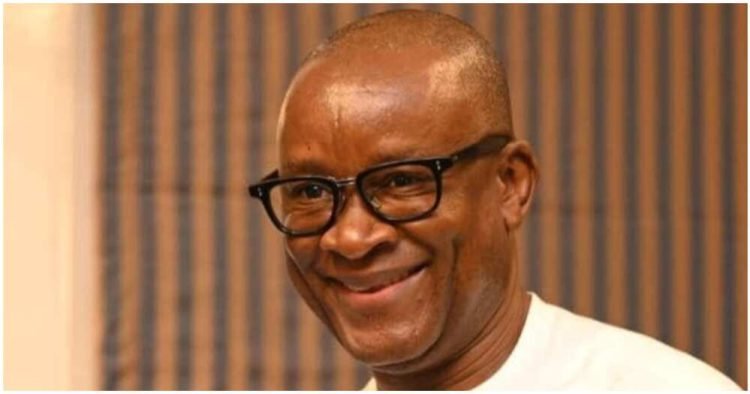
By Moses Obajemu
The recently concluded Paris Olympics was a monumental disappointment for Nigeria. The nation’s athletes failed to secure a single medal despite the federal government’s investment of a staggering N12 billion in the project. The dismal performance of the Nigerian contingent has sparked widespread outrage and disappointment among sports enthusiasts and citizens alike. The poor outcome has been attributed to a multitude of factors, including sloppiness, inadequate preparation, ineffective officials, and a glaring lack of support for the athletes. The situation was so dire that some athletes, who had dedicated four years of their lives to training, were shockingly excluded from the Nigerian team. In one particularly embarrassing incident, a Nigerian cyclist had no bike to compete with and had to rely on the French team, who lent her one out of sheer compassion. Such scenarios are not just unfortunate; they are indicative of a systemic failure that demands urgent attention.
The Burden of Ineffective Officials

One of the most glaring issues that contributed to Nigeria’s Olympic failure was the bloated number of officials who accompanied the team to Paris. Reports suggest that many of these officials had no meaningful role to play. They were included in the contingent simply to enjoy an all-expenses-paid summer holiday in the alluring French capital. This not only drained resources that could have been better spent on the athletes but also denied genuine competitors the opportunity to represent their country. The rot in the system extends beyond just the Olympics. The immediate past sports minister, Sunday Dare, has been accused of going to sleep after the Tokyo Olympics in 2020, failing to put necessary structures in place for Nigeria’s participation in the Paris Games. His apparent lack of foresight and planning left the nation ill-prepared for the global event, with the consequences laid bare for all to see.
Decrepit Sporting Facilities
The state of Nigeria’s sporting facilities further compounds the problem. The National Stadiums in Lagos and Abuja are in dire need of renovation, with most facilities, both national assets, aged, and in a state of disuse. This neglect has a direct impact on the athletes, who are forced to train in substandard conditions, far from the world-class facilities available to their competitors from other nations. Indeed, some athletes of Nigerian nationality who competed at the Olympics for leading Western countries with world class facilities and coaches won medals for their adopted countries. Therefore, the problem was not the dearth of talents nor the nonchalant attitude of the athletes to training and preparatory efforts.
Everything boils down to the tacky approach employed by sports administrators to international competitions that can bring honour and immense sporting capital to the nation. For instance, during the 2020 edition of the African Cup of Nations football tournament, officials of the Nigeria Football Federation forgot the official jerseys of the players back home in Nigeria Yet, nobody got punished for that for such sloppiness and dereliction of duty. At some other time, it could be that sport association officials are unable to arrange a charter flight for players and officials to honour their match obligations.
Non performing Sport Associations
Similarly, the various sports associations, which should be at the forefront of nurturing talent and organizing competitions, are instead run by politicians and their allies, more interested in sharing government funds than in the development of sports. These officials rarely organize competitions or other events that would help athletes hone their skills. Instead, they wait on government funds, which they then misappropriate.
Lack of Support for Athletes
The pathetic Nigerian story has subjected the athletes to fending and providing for themselves without the government’s support, either financial or moral. This sub-human treatment of the athletes leads to sub-optimal performance. On numerous occasions, athletes have been found taking *garri* (not by choice) but as a result of deprivation. Some even compete on empty stomachs. What do you expect from such abandoned athletes who feed and kit themselves for competitions.
lThe Way Forward
Time for Reform:
There is, however, a glimmer of hope in the midst of this debacle. The current sports minister, Senator John Owan Enoh, has bravely taken responsibility for the failure of the Nigerian team, a significant departure from the usual buck-passing that often characterizes government responses to such failures. His acknowledgement of the issues at hand is a necessary first step towards addressing the deep-seated problems within Nigeria’s sports administration. Moving forward, a wholesale reorganization of the various sports associations is imperative. These bodies must be manned by professionals—experienced sportsmen and women who understand the needs of the athletes and are committed to their development. Early and adequate preparation, supported by the right infrastructure and personnel, is key to ensuring that future Nigerian teams do not suffer the same fate.
The Paris Olympics should serve as a wake-up call for Nigeria. The nation has an abundance of raw talent, but without the right support and structures in place, that talent will continue to go to waste. It is time for the government to prioritize the development of sports, not just as a means of winning medals, but as a vital component of national pride and international standing. The failure in Paris must be the catalyst for lasting change, ensuring that Nigeria never again leaves the world stage empty-handed.
Obajemu, a doctorate student, lives in Lagos